
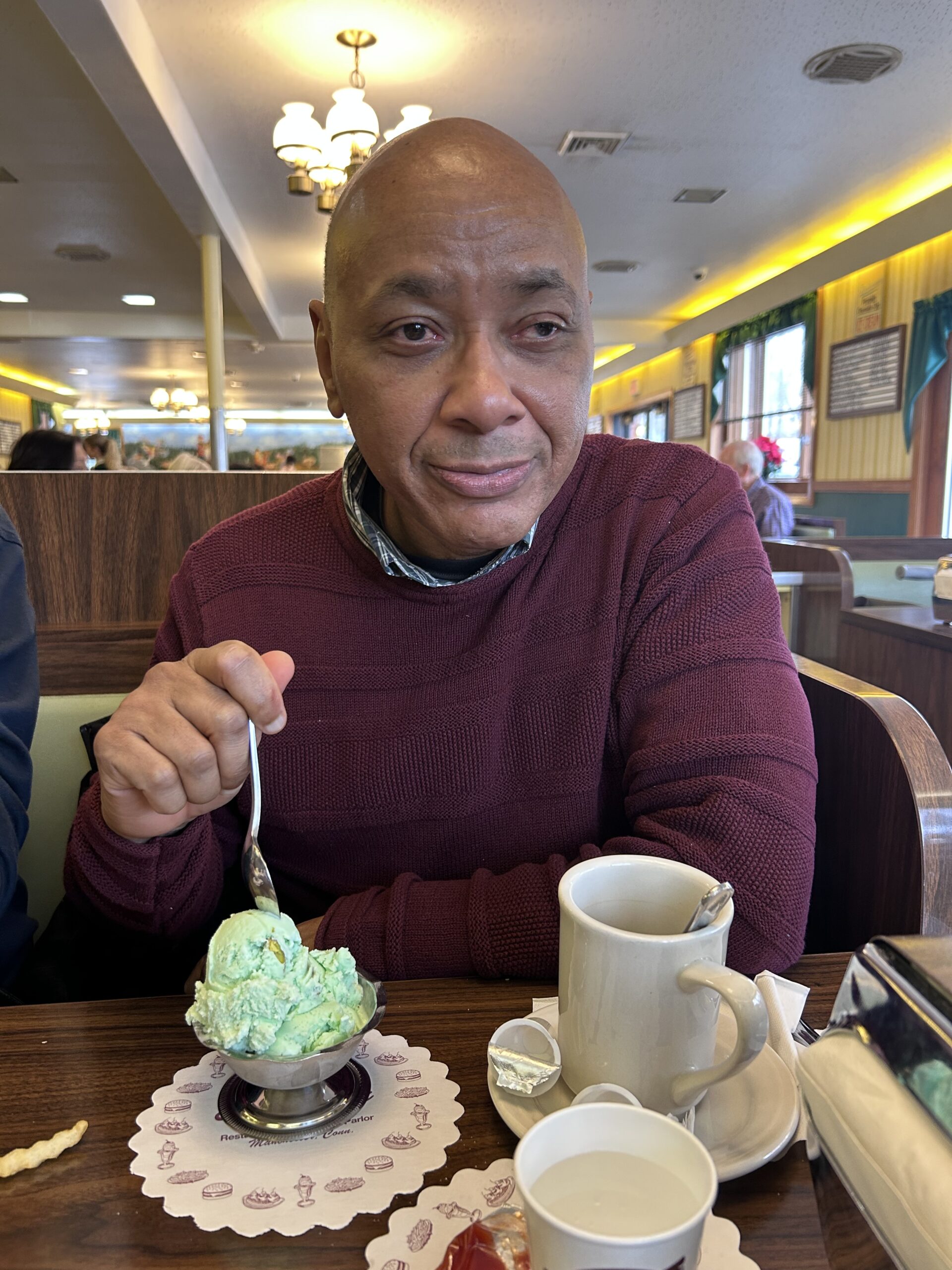
Imagine, for a moment, being in darkness, unable to see the world around you. Now, place yourself in a busy restaurant, where you have never been, and the menu is on a wall. You tell the waiter you’re blind. His response? A quick apology, “Sorry, we don’t have a paper menu,” and he walks away, leaving you to struggle on your own.
Three people, each blind, sitting at a table, searching in vain for their options. No Braille menu. No audio description. No guidance. The sighted person at the table, doing her best, squints and strains to see the tiny signs on the wall, fighting her own battle to read what others read effortlessly. She witnesses their frustration, their helplessness, and perhaps, her own growing sense that this is simply not fair.
This isn’t just about a menu; it’s about dignity. It’s about respecting every individual’s right to access information and services without barriers, regardless of their abilities. It’s about realizing that accessibility isn’t a favor; it’s a fundamental necessity.
But what if they were deaf?
What if this same scene played out with a deaf person trying to communicate with the staff, only to be met with indifference or misunderstanding? Would the response be different? Or would they be ignored, expected to adapt when no support or alternative communication methods are offered? When we overlook these needs, we reinforce the barriers that keep people marginalized.
The truth is, many service industry staff receive minimal training in how to serve customers with disabilities. Often, they’re told to be polite, but not how to actively support, include, or assist in ways that truly matter. They might learn some basic guidelines, like speaking clearly or offering assistance, but the nuances of accessibility, patience, and genuine sensitivity are rarely emphasized.
What can we do?
Every business has a responsibility and an opportunity to make inclusion a priority. Training staff not just to comply but to genuinely understand and serve diverse needs. This includes creating alternative menus, Braille, audio, large print and teaching staff how to communicate effectively with deaf or hard-of-hearing customers through written/visual cues or sign language. It involves fostering an environment where people feel seen, heard, and valued.
Because accessibility isn’t about accommodations, it’s about dignity. It’s about recognizing that in a world built for many, everyone deserves a place at the table.
And it starts with awareness.
Next time you’re in a service setting, think about who might be invisible in the everyday hustle, the person who can’t see, hear, or move as easily. A simple act of patience, a willingness to learn, or an effort to include can turn a moment of frustration into an act of profound kindness.
Let’s strive for a world where nobody has to struggle silently because the system isn’t designed for them. Because, in the end, kindness and accessibility are what truly create a welcoming, compassionate community.
Join Us in Making Accessibility a Reality
Every person deserves to access services with ease. Whether it’s through simple training, providing alternative menus, or fostering a culture of kindness and awareness, we all have a role to play.
If you’re a business owner, employee, or community member, commit today to learning more about accessible practices. Advocate for training programs that teach staff how to serve people with disabilities compassionately and effectively.
Together, we can create a world where nobody is left searching in vain or feeling invisible. Let’s make inclusion and understanding the standard, not the exception.
Take the first step now, reach out, learn, and start making a difference today. Because accessibility isn’t just a right; it’s a responsibility we all share.
Kindness Matters,
Michelle Puzzo, Executive Director
860-430-4557

Leave a Reply